

Losing weight with hypothyroidism can be challenging because an underactive thyroid affects metabolism, energy levels, and how your body handles fluid. However, you can lose weight with hypothyroidism by managing your thyroid condition, eating balanced meals, staying physically active, and following a realistic routine.
The first step is making sure your thyroid hormone levels are properly controlled. After that, healthy weight management generally follows the same principles used by people without thyroid disease. You do not need an extreme diet or expensive thyroid supplements to get started.
Understand How Hypothyroidism Affects Weight
Hypothyroidism occurs when your thyroid gland does not produce enough thyroid hormones. These hormones help regulate metabolism, body temperature, heart function, and energy use.
When hormone levels are low, your metabolism may slow down. You might experience fatigue, constipation, reduced physical activity, and weight gain.
According to the American Thyroid Association, approximately 5-10 pounds of weight gain may be related to hypothyroidism in many patients, although the amount varies. Much of this weight can come from salt and water retention instead of additional body fat.
This distinction matters because treating hypothyroidism may reduce some fluid-related weight, but it does not automatically remove excess body fat.
Get Your Thyroid Levels Under Control
Before changing your diet or exercise routine, make sure your hypothyroidism is being treated properly. An underactive thyroid can make weight management harder when hormone levels remain below the normal range.
Doctors commonly prescribe levothyroxine, a medication that replaces the thyroid hormone your body cannot produce in sufficient amounts.
Your healthcare provider may use blood tests, including thyroid-stimulating hormone (TSH) and free T4, to assess your condition and determine whether your treatment needs adjustment.
Follow these medication habits:
- Take levothyroxine consistently as prescribed, usually with water on an empty stomach.
- If taking it in the morning, wait approximately 30-60 minutes before eating or drinking coffee.
- Keep calcium and iron supplements separated from your medication as directed by your doctor, often by at least four hours.
- Attend follow-up appointments and complete recommended thyroid blood tests.
The American Thyroid Association recommends checking thyroid levels about 6-8 weeks after starting treatment or changing the dose.
Never increase your medication to speed up weight loss. Excess thyroid hormone can cause heart rhythm problems, anxiety, bone loss, and other serious complications.
Follow a Balanced Diet for Weight Loss
There is no single diet that cures hypothyroidism or works for everyone with an underactive thyroid. However, eating balanced meals can help you manage hunger, maintain muscle, and create a reasonable calorie deficit.
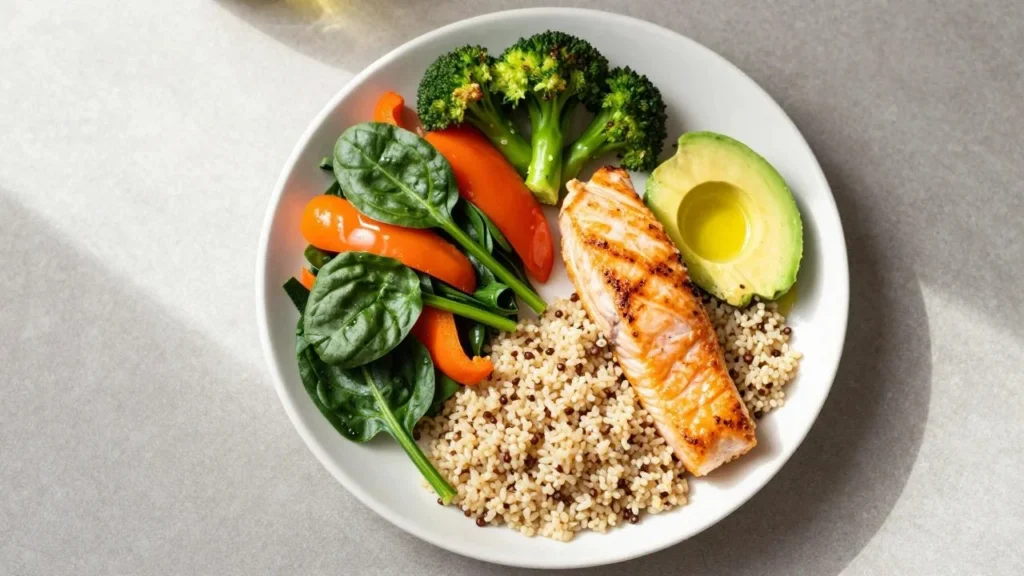
Focus on whole foods that provide protein, fiber, vitamins, and minerals.
1. Eat More Protein-Rich Foods
Protein helps maintain muscle mass while losing weight. It also makes meals more satisfying, which can help you avoid frequent snacking.
Good options include:
- Eggs and skinless chicken
- Fish such as salmon and tuna
- Greek yogurt and cottage cheese
- Beans, lentils, and chickpeas
- Tofu and other soy foods
Include a source of protein with your main meals. Your ideal daily intake depends on your body weight, activity level, and medical needs.
2. Choose High-Fiber Carbohydrates
You do not need to eliminate carbohydrates to lose weight with hypothyroidism. Instead, choose foods that provide fiber and nutrients.
Consider eating oats, brown rice, quinoa, beans, sweet potatoes, fruits, and vegetables.
Reduce frequent consumption of sugary drinks, pastries, candy, and highly refined snacks. These foods can make it easier to consume more calories than your body needs.
3. Include Healthy Fats
Healthy fats support normal body functions and make meals more satisfying.
Add moderate portions of olive oil, nuts, seeds, avocado, and fatty fish to your meals. Remember that these foods contain calories, so portion sizes still matter.
Understand Which Foods and Supplements to Limit
People with hypothyroidism often encounter online lists claiming that certain foods damage the thyroid. However, most people do not need to eliminate entire food groups.
Instead, pay attention to your overall diet and how certain foods or supplements affect medication absorption.
Be mindful of:
- Sugary beverages and heavily processed snacks that provide many calories with limited nutrients.
- Excessive iodine supplements, which can cause thyroid problems in some people.
- Calcium and iron supplements taken too close to levothyroxine.
- Unverified thyroid-boosting products that promise rapid weight loss.
You generally do not need to avoid broccoli, cabbage, cauliflower, or other cruciferous vegetables in normal food portions. People with Hashimoto’s disease may need individualized advice about iodine intake.
The National Institute of Diabetes and Digestive and Kidney Diseases explains that certain foods and supplements can interfere with thyroid hormone absorption. Discuss your diet and supplements with your healthcare provider.
Exercise Regularly to Support Fat Loss
Exercise can help you burn calories, maintain muscle, improve fitness, and manage stress. However, hypothyroidism-related fatigue can make starting a workout routine difficult.
Begin with activities that match your current energy and fitness level. You do not have to complete intense workouts every day to make progress.
Try Walking or Other Cardio Exercises
Walking is a practical starting point because you can adjust the speed and duration according to your ability.
Other options include:
- Swimming
- Cycling
- Dancing
- Light jogging, if appropriate
- Low-impact aerobic workouts
The CDC recommends at least 150 minutes of moderate-intensity aerobic activity each week for most adults, alongside muscle-strengthening activities on at least two days. You can build toward these targets gradually.
Add Strength Training
Strength training helps maintain muscle while you lose weight. It can also improve everyday physical function.
Start with manageable exercises such as bodyweight squats, wall push-ups, resistance-band rows, and light dumbbell exercises.
Try two weekly sessions initially, allowing enough recovery between workouts. If you have severe fatigue, muscle weakness, or other symptoms, ask your healthcare provider before increasing exercise intensity.

Improve Sleep and Manage Daily Stress
Poor sleep and ongoing stress can make weight management more difficult. They may affect appetite, food choices, motivation, and recovery after exercise.
Adults generally need at least seven hours of sleep each night. Try to maintain a consistent bedtime, reduce screen use before sleeping, and avoid drinking caffeine late in the day.
You can also manage stress through simple habits such as:
- Taking a short walk outdoors.
- Practicing deep breathing for a few minutes.
- Spending time on relaxing activities.
- Keeping a consistent daily schedule.
If fatigue continues even after your thyroid treatment is adjusted, discuss it with your healthcare provider. Sleep disorders, anemia, and other health conditions can also contribute to tiredness.
Follow a Simple Daily Weight-Loss Routine
A consistent routine can make healthy choices easier. You do not need a complicated meal plan or expensive foods to manage your weight.
Here is an example of a balanced daily routine:
| Time | Suggested activity or meal |
| Morning | Take prescribed thyroid medication as directed |
| Breakfast | Eggs, oatmeal, and fruit |
| Mid-morning | Greek yogurt or a handful of nuts |
| Lunch | Grilled chicken, brown rice, and vegetables |
| Afternoon | A walk or light physical activity |
| Evening | Fish or beans with vegetables and sweet potato |
| Before bed | Relax and maintain a regular sleep schedule |
Adjust portion sizes according to your energy needs, preferences, and weight-management goals. If you have diabetes, kidney disease, or another medical condition, your nutritional requirements may be different.
What If You Still Cannot Lose Weight?
Sometimes people continue gaining weight even after starting hypothyroidism treatment. This can happen because thyroid function is only one factor affecting body weight.
If your TSH levels are within the recommended range but you are still struggling, speak with your healthcare provider about other possible causes.
These may include:
- Insufficient sleep or sleep apnea.
- Certain medications that affect appetite or weight.
- Insulin resistance or other metabolic conditions.
- Menopause-related changes.
- Low physical activity and changes in eating habits.
- Other hormonal or medical conditions.
Your doctor may review your medication, symptoms, medical history, and recent blood tests to decide whether additional evaluation is necessary.
For some people, a registered dietitian can also help create a practical nutrition plan. If you have obesity and lifestyle changes have not been sufficient, discuss evidence-based weight-management treatments with a qualified healthcare professional.
Set Realistic Weight-Loss Expectations
Losing weight with hypothyroidism takes patience. Starting the correct thyroid treatment may improve symptoms and reduce some fluid-related weight, but it does not guarantee substantial fat loss.
A study discussed by the American Thyroid Association found that approximately 52% of patients lost weight after starting levothyroxine treatment, with an average reduction of around 8.4 pounds. However, individual results varied, and the weight loss was generally modest.
Focus on gradual progress instead of expecting dramatic changes in a few weeks. Track changes in your weight, energy, strength, and daily habits.

If your weight does not change immediately, it does not mean your efforts are failing. Your healthcare provider can help determine whether your treatment or weight-management plan needs adjustment.