

Losing weight with polycystic ovary syndrome (PCOS) can feel frustrating, especially when you are making changes to your diet and exercise routine but seeing little progress. The good news is that how to lose weight with PCOS does not have to involve extreme diets, skipping meals, or spending hours at the gym.
A sustainable approach focuses on balanced nutrition, regular physical activity, adequate sleep, and habits that support metabolic health. PCOS affects people differently, so the best plan is one that fits your symptoms, health needs, food preferences, and daily routine.
Why Is Losing Weight Difficult With PCOS?
PCOS is a hormonal condition that can affect menstrual cycles, ovulation, skin, hair growth, and metabolism. Some people with PCOS also experience insulin resistance, which means their bodies do not respond to insulin as effectively as they should.
Insulin helps move glucose from the bloodstream into cells for energy. When the body needs more insulin to manage blood sugar, higher insulin levels can contribute to increased androgen production and other PCOS symptoms.
Weight gain and difficulty losing weight can occur with PCOS, although not everyone experiences these problems. Genetics, sleep, medications, activity levels, and other health conditions can also affect body weight.
The 2023 International Evidence-Based PCOS Guideline recommends lifestyle management for improving metabolic health and supporting weight management. It also recognizes that health improvements can happen even without weight loss.
Build Balanced Meals With Protein and Fiber
Food choices can make weight management easier by helping you feel satisfied and maintain steady energy throughout the day. Instead of following a restrictive PCOS diet, focus on meals containing protein, fiber-rich carbohydrates, vegetables, and healthy fats.
Protein supports muscle maintenance and helps you feel full after eating. Fiber slows digestion and supports digestive health.
Some useful food choices include:
- Eggs, chicken, fish, tofu, and Greek yogurt for protein.
- Oats, brown rice, beans, and lentils for fiber-rich carbohydrates.
- Spinach, broccoli, carrots, and other vegetables for vitamins and fiber.
- Almonds, walnuts, olive oil, and avocado for healthy fats.
- Berries, apples, oranges, and other whole fruits.
You do not need to eliminate rice, potatoes, bread, or other carbohydrates. Pay attention to portions and combine carbohydrate foods with protein and fiber.
For example, a meal containing grilled chicken, brown rice, and vegetables can provide a more balanced combination than eating a large portion of refined carbohydrates alone.
Reduce Added Sugar and Highly Processed Foods
Sugary drinks, sweets, and highly processed snacks can add calories without providing much fiber or nutritional value. Reducing how often you consume these foods may make it easier to manage your overall energy intake.
Start with simple changes:
- Replace soda and sweetened drinks with water or unsweetened beverages.
- Choose plain yogurt with fruit instead of heavily sweetened yogurt.
- Replace some packaged snacks with nuts or fresh fruit.
- Choose whole-grain bread more often than refined white bread.
- Prepare more meals at home when practical.
You do not have to avoid every food containing sugar. An occasional dessert can fit into a balanced eating pattern.
The aim is to develop eating habits you can maintain, not follow a strict plan that leaves you constantly hungry.
Include Strength Training in Your Exercise Routine
Strength training is a useful part of a PCOS weight-management plan because it helps build and maintain muscle. Muscle tissue also uses glucose, making resistance exercise a practical way to support metabolic health.
You can start with two or three manageable sessions each week, depending on your fitness level.
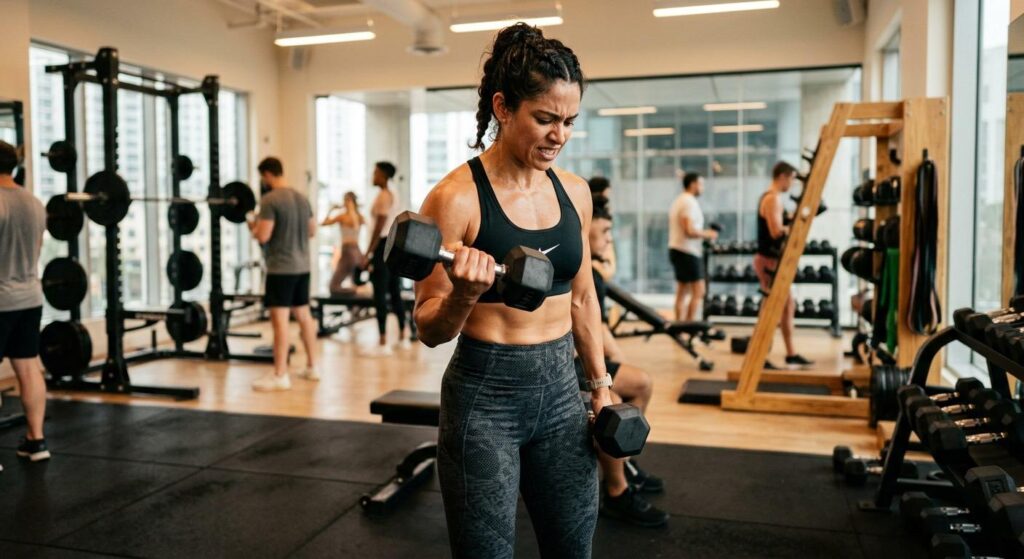
Some beginner-friendly exercises include:
- Squats
- Glute bridges
- Wall push-ups
- Dumbbell rows
- Lunges
- Resistance band exercises
Start with light resistance and focus on correct technique. Increase the difficulty gradually as your strength improves.
You do not need expensive equipment. Bodyweight exercises and resistance bands can also provide a useful workout.
Combine Walking With Cardio Exercise
Walking is an accessible way to increase daily physical activity without requiring a complicated workout schedule. It can also be easier to maintain than intense exercise when you are just getting started.
Try walking for 20 to 30 minutes on most days. You can divide this into shorter sessions, such as a 10-minute walk after each main meal.
Other cardio activities include:
- Cycling
- Swimming
- Dancing
- Jogging
- Low-impact aerobics
The international PCOS guideline recommends following general adult physical activity guidance. Adults should aim for 150 to 300 minutes of moderate-intensity aerobic activity weekly, alongside muscle-strengthening activities on at least two non-consecutive days. More activity may support modest weight loss when appropriate.
Choose activities you enjoy. Consistency is more useful than forcing yourself through workouts that you dislike.
Prioritize Sleep and Manage Daily Stress
Poor sleep and ongoing stress can make healthy habits harder to maintain. They may affect appetite, energy, food choices, and your ability to exercise regularly.
Try these habits to improve your sleep routine:
- Aim for at least seven hours of sleep each night.
- Maintain a consistent bedtime and waking time.
- Reduce screen use shortly before bed.
- Avoid large amounts of caffeine late in the day.
- Keep your bedroom comfortable and quiet.
Stress management also deserves attention. Walking outdoors, breathing exercises, journaling, and relaxing hobbies can help you manage everyday pressure.
If you experience persistent anxiety, depression, or sleep problems, discuss them with a healthcare professional. These concerns deserve attention alongside your weight-management goals.
Understand Insulin Resistance and Get Appropriate Medical Support
Insulin resistance is common in PCOS, although its severity varies. It can make blood glucose regulation more difficult and may contribute to metabolic problems.
Lifestyle changes can help, but some people also need medical treatment. A healthcare professional can assess your symptoms, medical history, blood pressure, glucose levels, and other metabolic risk factors.
Depending on your individual situation, your doctor may discuss:
- Metformin: A medication commonly used for type 2 diabetes that may also be prescribed for metabolic outcomes in people with PCOS.
- Weight-management medications: Certain prescription medications may be appropriate for eligible patients after an assessment of their health and potential risks.
- Nutrition support: A registered dietitian can help create an eating plan based on your nutritional needs and preferences.
Do not start, stop, or change medication without medical advice. Metformin and other treatments are not suitable for everyone.
The American College of Obstetricians and Gynecologists (ACOG) explains that PCOS treatment should be tailored to symptoms, other health conditions, and reproductive goals.
Follow a Realistic PCOS Weight Loss Meal Plan
A simple meal routine can make healthy eating easier, particularly when you have a busy schedule. You do not need expensive specialty foods or a completely different diet from everyone else.
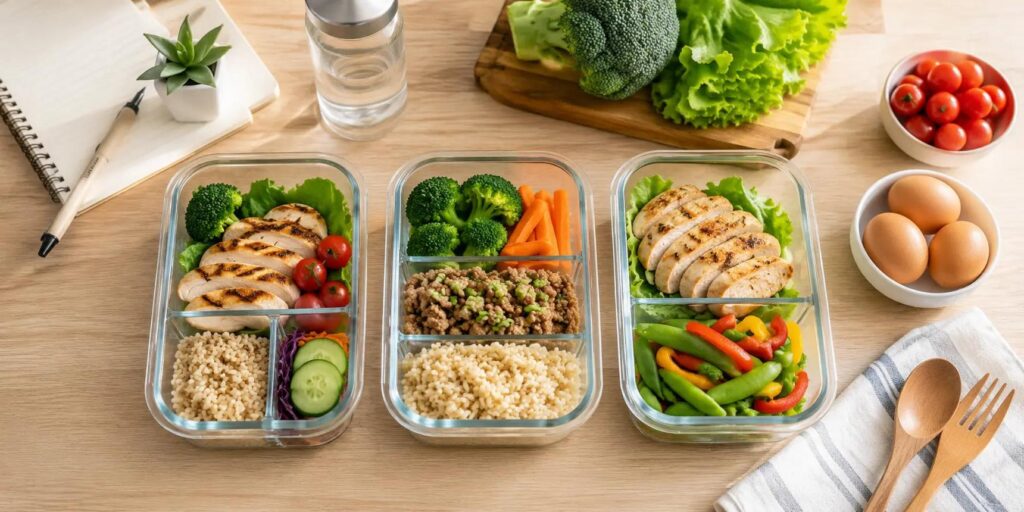
Here is an example of a balanced day of eating. Adjust portions according to your appetite, activity level, nutritional needs, and advice from your dietitian.
Meal | Example foods |
| Breakfast | Oatmeal, boiled eggs, and berries |
| Morning snack | Apple and a handful of almonds |
| Lunch | Grilled chicken, brown rice, and vegetables |
| Afternoon snack | Plain Greek yogurt |
| Dinner | Baked salmon, sweet potato, and broccoli |
If you prefer vegetarian meals, replace chicken or fish with tofu, lentils, chickpeas, or beans.
You can also include foods you already enjoy. The purpose of this example is to demonstrate balanced portions and food combinations, not prescribe a fixed calorie limit.
Create a Weekly Exercise Routine You Can Maintain
A weekly schedule can help you combine walking, strength training, and recovery without overworking your body.
Here is a beginner-friendly example:
| Day | Activity |
| Monday | 25-minute brisk walk and light strength training |
| Tuesday | 30-minute walk |
| Wednesday | Strength training and stretching |
| Thursday | 25-minute cycling or walking |
| Friday | Full-body strength workout |
| Saturday | Swimming, dancing, or a longer walk |
| Sunday | Gentle stretching or recovery |
If you are currently inactive, start with shorter sessions and gradually increase your activity. Your routine should also account for injuries, fitness level, and other medical conditions.
Track Progress Beyond the Number on the Scale
Body weight is only one way to measure progress. It can fluctuate because of water retention, menstrual cycles, digestion, and other normal changes.
With PCOS, it can be useful to pay attention to other signs of improved health.
Consider tracking:
- Energy levels throughout the day.
- Strength and exercise endurance.
- Sleep quality.
- Waist measurements, if comfortable.
- Menstrual cycle patterns.
- Blood glucose and cholesterol results when recommended by your doctor.
Avoid weighing yourself several times a day. If regular weighing creates stress or negatively affects your relationship with food, discuss alternative ways to monitor progress.
Also remember that people with PCOS do not all need to lose weight. Healthy eating and physical activity can benefit metabolic health and general well-being at different body sizes.
Avoid Common PCOS Weight Loss Mistakes
Some popular weight-loss strategies can make the process unnecessarily difficult. Avoid these common mistakes:
Skipping meals: Missing meals may leave you excessively hungry later and make balanced eating harder.
Following extremely restrictive diets: Eliminating entire food groups without a medical reason can make it difficult to meet nutritional needs.
Doing excessive cardio: More exercise is not automatically better. Recovery and strength training also matter.
Expecting rapid results: Weight changes take time, and progress can vary from person to person.
Buying unproven supplements: Products marketed as hormone-balancing or fat-burning solutions may lack reliable evidence and can interact with medications.
Instead, focus on manageable changes and seek professional guidance when you need additional support.
How Long Does It Take to Lose Weight With PCOS?
There is no fixed timeline for weight loss with PCOS. Results depend on your starting weight, eating habits, activity level, sleep, medications, and other health factors.
Some people notice improvements in energy and fitness before seeing changes on the scale. Others may need additional medical or nutritional support to make progress.
The CDC explains that gradual weight loss is generally easier to maintain than rapid weight loss. Its general guidance describes approximately 1 to 2 pounds per week as a gradual rate, but this is not a personal target or a requirement for people with PCOS.
If weight loss is appropriate for your health, your doctor can help you establish a realistic goal. Even modest changes may improve certain metabolic and reproductive outcomes in some people with PCOS.
Final Thoughts
Learning how to lose weight with PCOS starts with understanding your body and choosing habits you can maintain. Balanced meals, regular walking, strength training, better sleep, and appropriate medical support can help you manage your health.
You do not need to follow an expensive diet or exercise intensely every day. Start with small changes, monitor your progress, and adjust your routine when necessary.
Most importantly, remember that your health is not defined by your weight. PCOS management should focus on your overall well-being, metabolic health, and individual needs.